American And Metric Measurement Worksheets
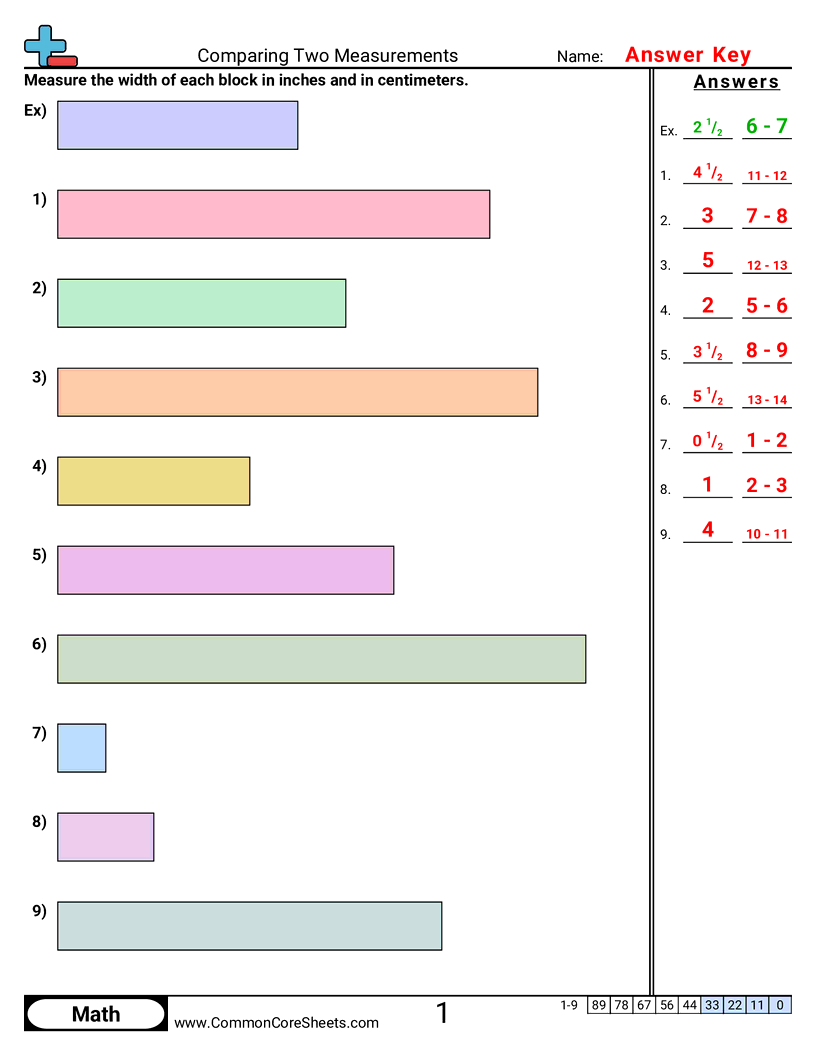
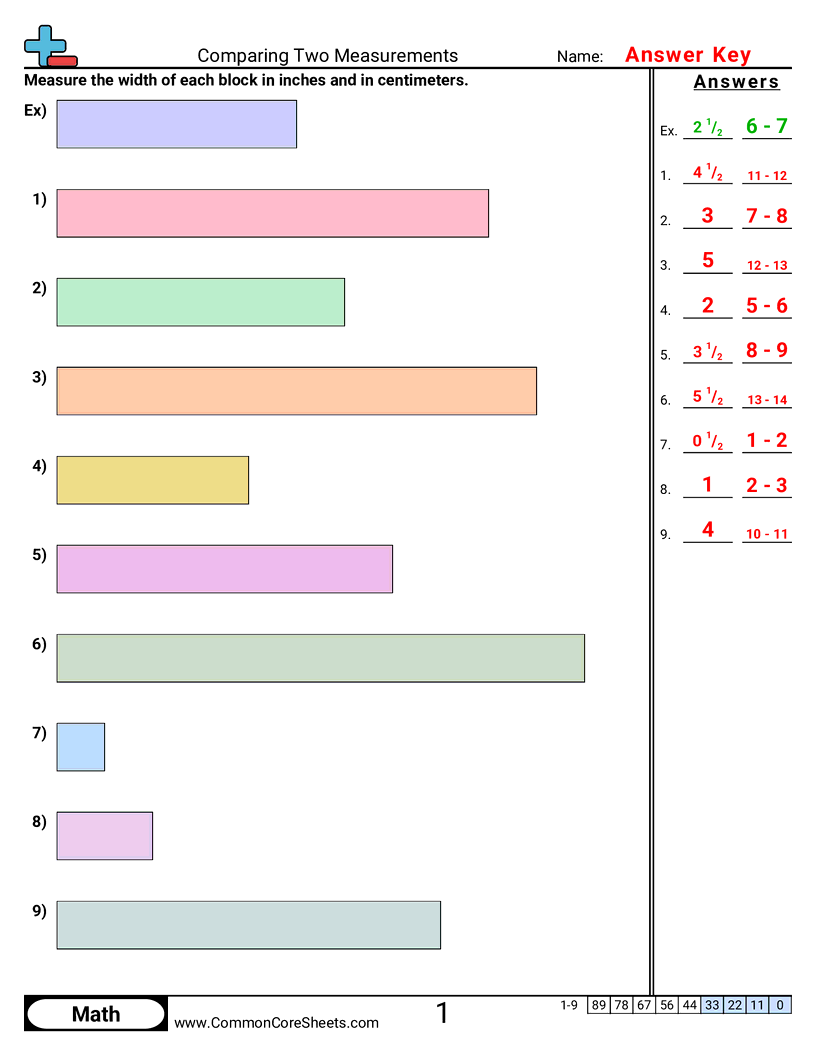
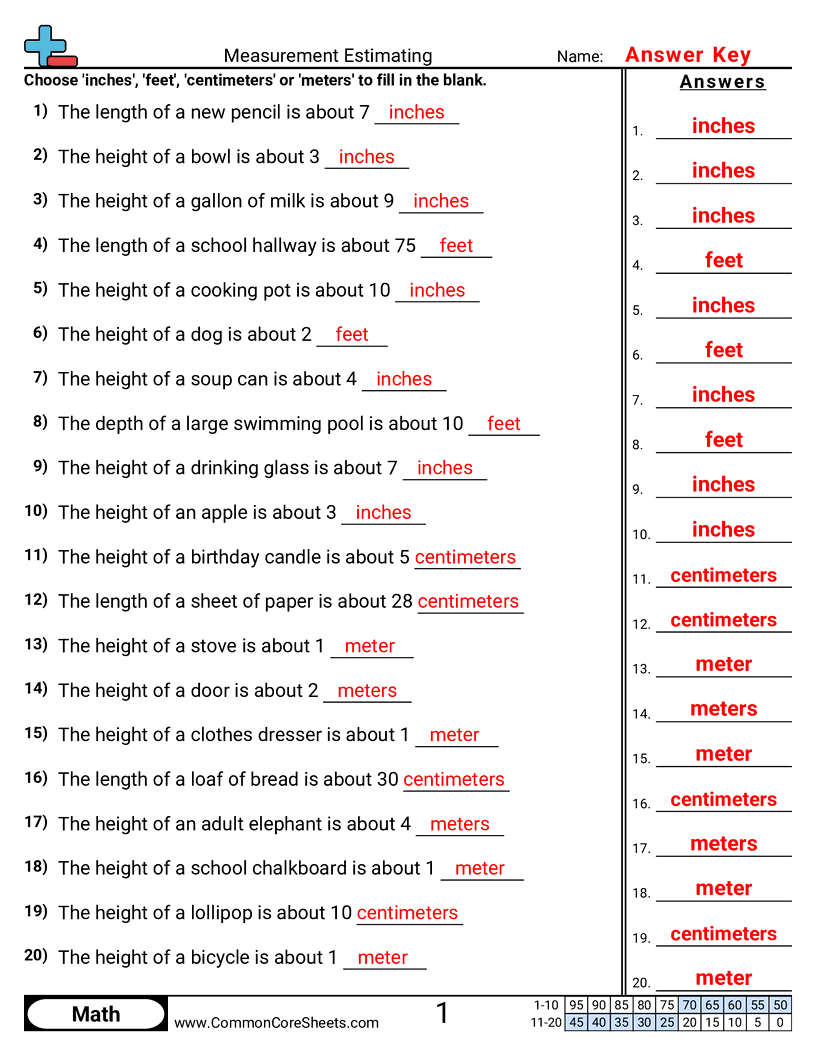
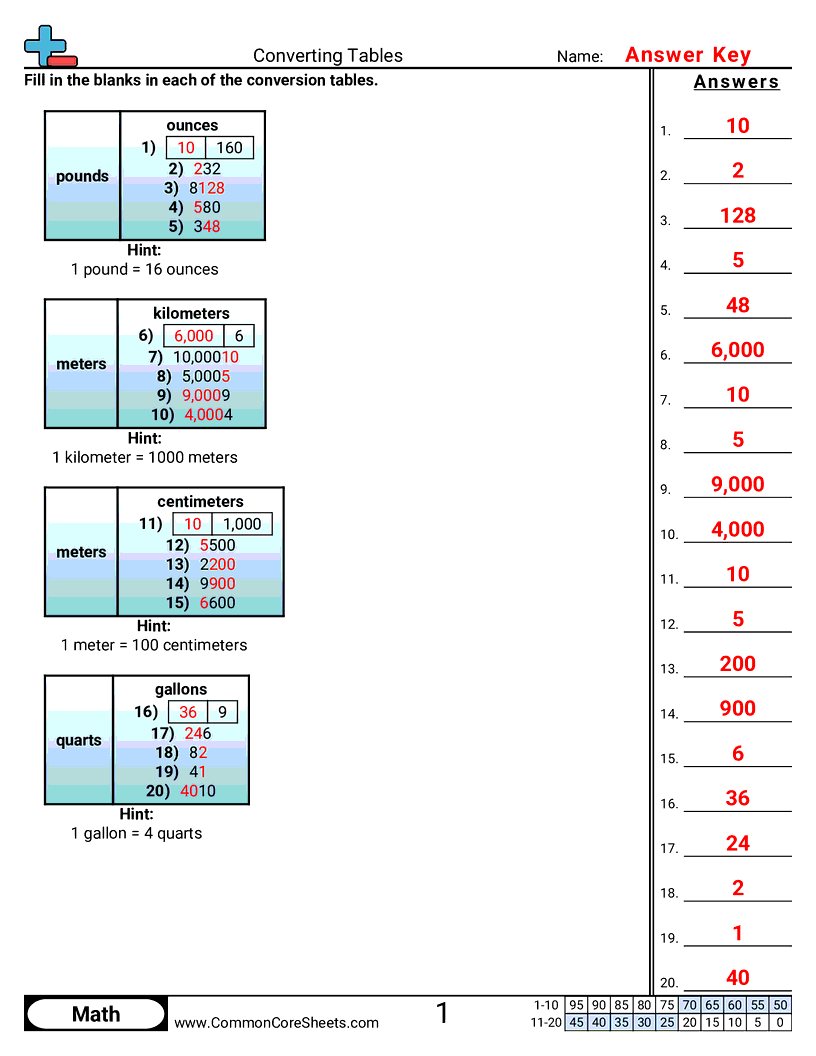
This section features 8 worksheets helping 2nd-4th grade students compare American customary and metric measurement systems. Students practice measuring objects in inches and centimeters, estimating lengths, completing conversion tables, and working with measurement abbreviations to understand relationships between both systems.
More about these worksheets ▾ Show less ▴
×
About these worksheets
Students work with both American customary and metric measurement systems side by side. Worksheets include measuring objects in both inches and centimeters, estimating lengths using both systems, filling in conversion tables, and balancing equations with mixed units. These activities help students see the relationship between the two measurement systems. Aligned with second through fourth grade.
2md4
Practice measuring the same object in both inches and centimeters Read a ruler to the nearest half inch and to the nearest centimeter See that the same length gives a different number depending on the unit used
2md2
Read a ruler to find the width of an object in inches. Read a ruler to find the width of an object in centimeters. Use measurement words like wider, narrower, longer, and shorter to describe the comparison.
2md2
Measure the width and height of a block using a ruler. Read ruler marks to write measurements in inches and in centimeters. Use words like greater than and less than to describe measurement comparisons.
2md3
Choose whether inches, feet, centimeters, or meters makes the most sense for a length in a word problem. Use what you know about common objects to make a reasonable estimate of a length. Tell the difference between small lengths and longer distances so you don’t pick a unit that’s way too big or too small.
4md1
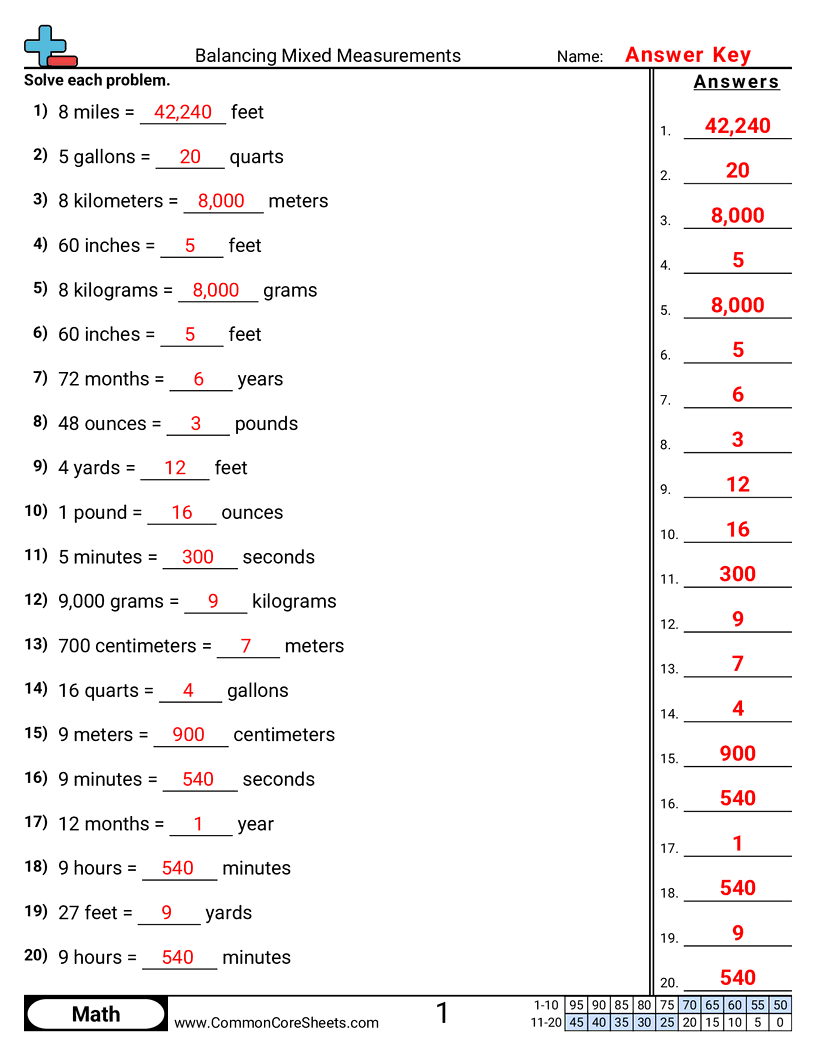
Convert between larger and smaller units of length, weight, and liquid volume. Use a conversion table to find the matching value in a different unit. Multiply or divide by a conversion factor to fill in missing measurements.
4md1
Practice balancing measurement equations by figuring out the missing amount that makes both sides equal.
4md1
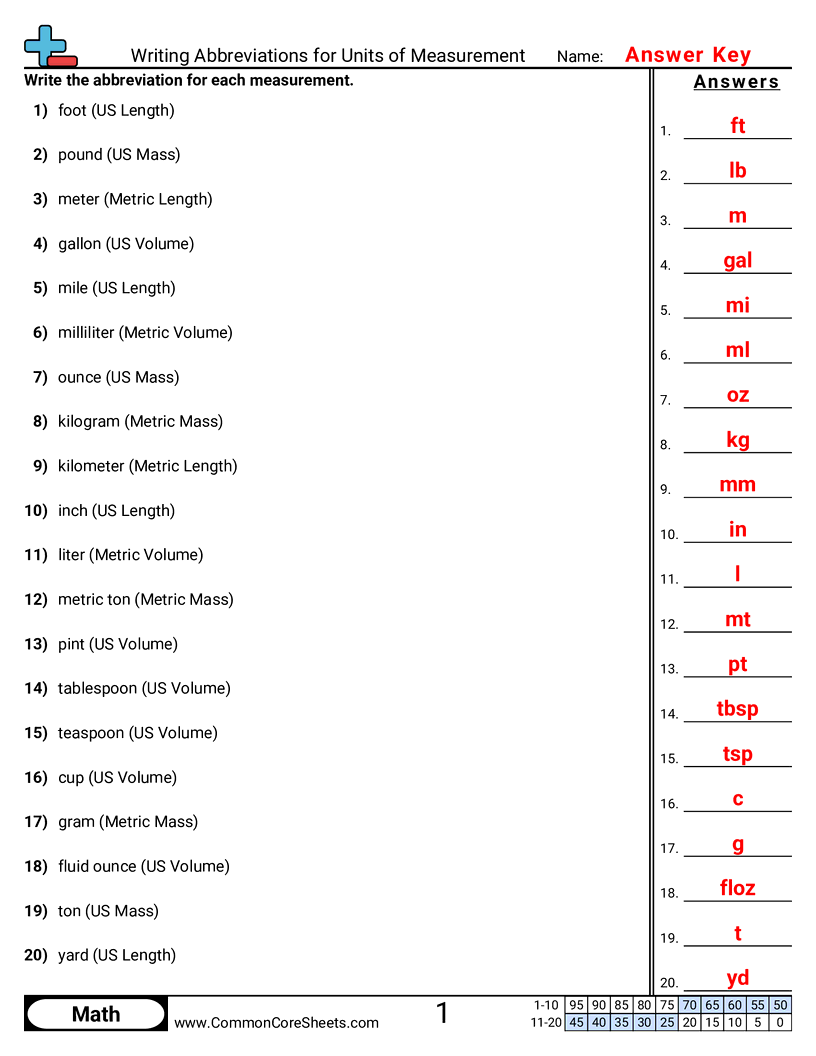
Practice writing the correct abbreviations for common U.S. customary units like inches, feet, yards, and miles. Practice writing the correct abbreviations for common weight and capacity units like ounces, pounds, cups, pints, quarts, and gallons. Practice writing the correct abbreviations for metric units like millimeters, centimeters, meters, kilometers, milliliters, and liters. Learn to match a unit name to its standard abbreviation without mixing up similar-looking abbreviations (like m vs mi or oz vs lb).
4md1
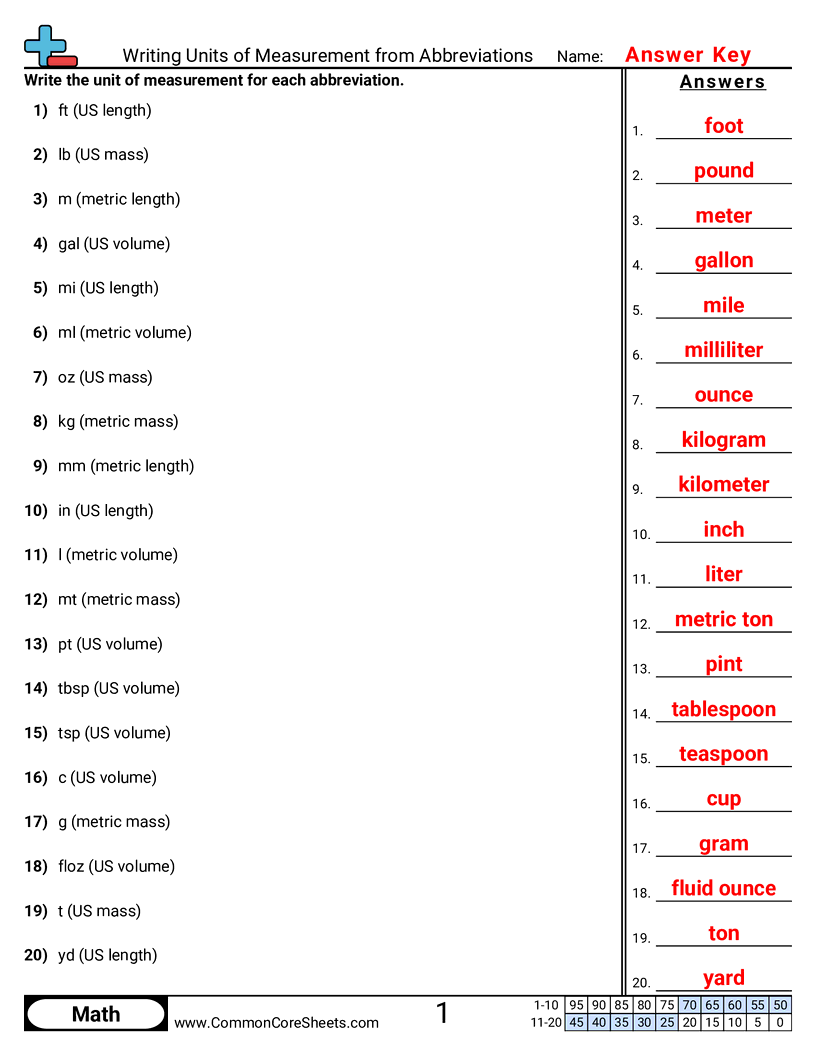
Practice reading common measurement abbreviations and writing the full unit name. Learn the correct spelling of standard and metric measurement units. Recognize similar-looking abbreviations and match each one to the right unit.
4md1
Judge whether a stated measurement is sensible for the situation. Recognize a measurement that uses the wrong unit. Recognize a measurement that uses the right unit but the wrong amount.
4md1
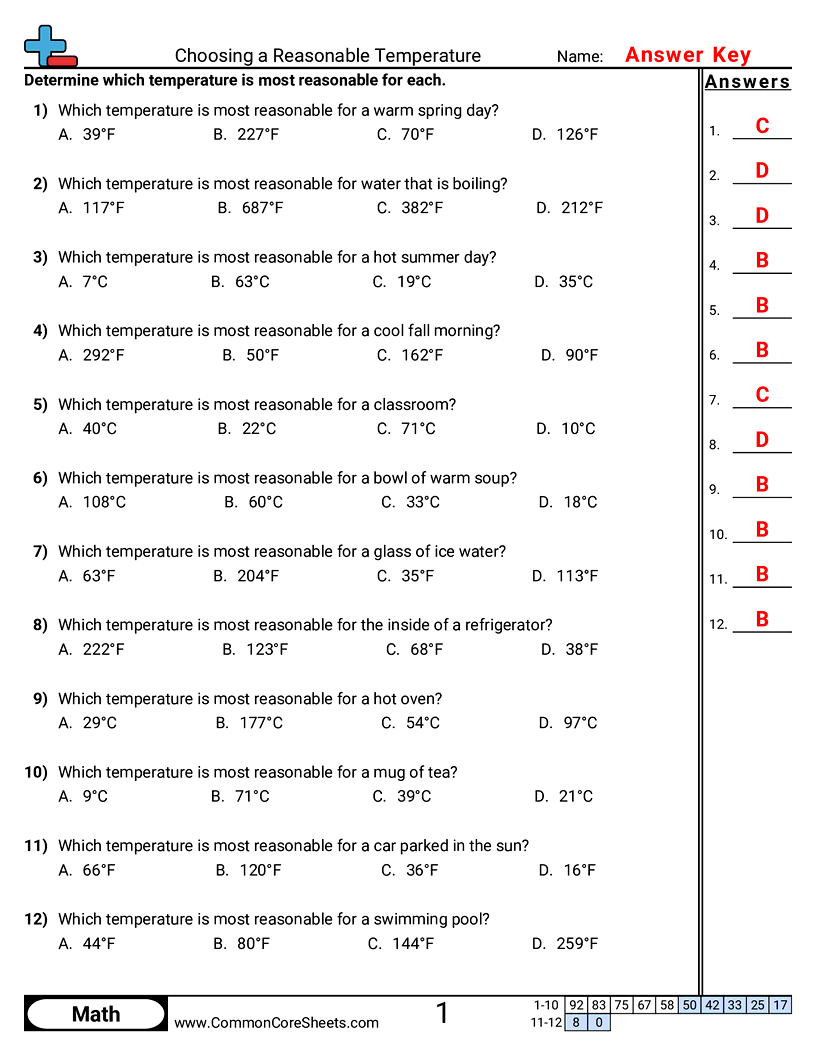
Choose a reasonable temperature for an everyday situation. Read a temperature against the scale it is written in. Compare Fahrenheit and Celsius values for the same situation.
Playwire Advertisement